

Hear from Our Customers
You’ve noticed the musty smell. Maybe someone in your house has been coughing more, dealing with headaches, or struggling with allergies that won’t quit. You can’t see anything obvious, but something feels off.
That’s the problem with mold. It hides in walls, under floors, behind cabinets—places you’d never think to check. By the time it’s visible, it’s already been growing for weeks or months. And if you’re dealing with black mold or high spore counts, waiting just makes everything worse.
Professional mold testing gives you real data. Air samples go to an independent lab where a microbiologist identifies the exact species and counts the spores. You get a report that tells you what’s there, how much of it exists, and whether it’s a problem. No guessing. No panic. Just facts you can act on.
Early detection saves money. Catching mold before it spreads means smaller repairs, less disruption, and protecting your family’s health before symptoms get serious. Mold contributes to over 4.6 million asthma cases in the U.S. every year, and removing it can reduce symptoms by up to 45%. That’s not a small thing when it’s your kid wheezing at night or your partner missing work because they can’t breathe right.
We’ve been serving Rocky Valley and Bucks County for years. We’re local, we know the area, and we’ve seen what Pennsylvania’s damp winters and humid summers do to homes around here.
We use the same equipment and methods that insurance companies and real estate professionals rely on—calibrated air pumps, spore trap cassettes, thermal imaging, and moisture meters. Every sample gets analyzed by a certified lab. You get a full report with photos, spore counts, and clear recommendations.
We’re not here to upsell you on services you don’t need. If testing shows your home is fine, we’ll tell you. If there’s a problem, we’ll explain what it is, where it’s coming from, and what your options are. You decide what happens next.
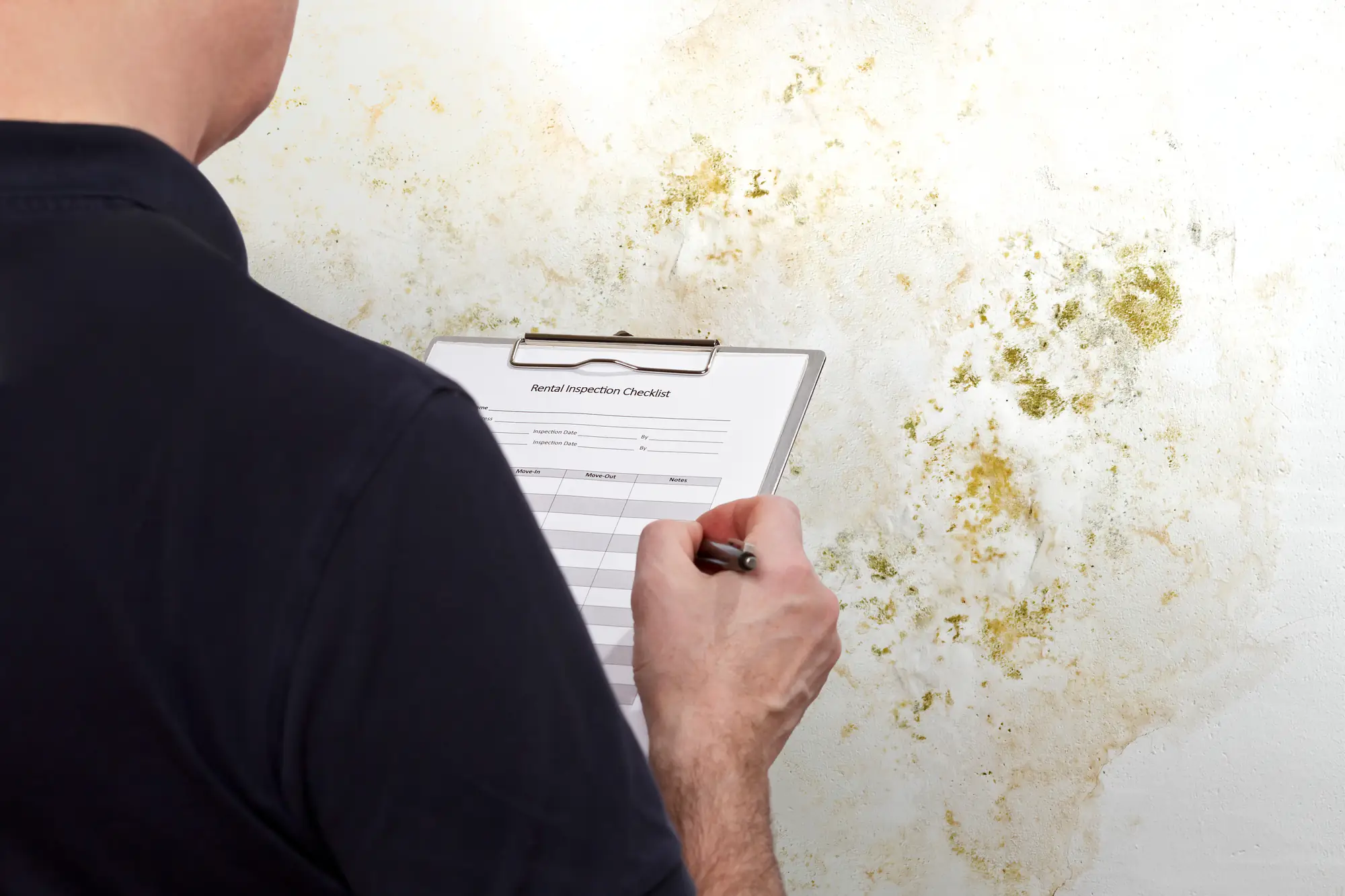
First, we walk through your property and talk about what you’ve noticed—smells, water damage, health symptoms, anything that brought you here. We look for visible signs of moisture or mold, check humidity levels, and use thermal imaging to spot temperature differences that suggest hidden water problems.
Then we collect air samples. We set up a calibrated pump that pulls air through a cassette for a set amount of time. That cassette traps mold spores so they can be counted and identified under a microscope. We test multiple rooms, including an outdoor control sample, so we can compare indoor spore levels to what’s normal outside.
The samples go to an accredited lab where a microbiologist examines them. You get a detailed report within a few days that lists every mold species found, the concentration levels, and whether those levels are considered normal, elevated, or dangerous. We review the results with you and explain what they mean in plain language.
If the report shows a problem, we talk through your options. Sometimes it’s a simple fix—better ventilation, a dehumidifier, sealing a leak. Other times, professional remediation is the right call. Either way, you’ll know exactly what you’re dealing with and what it’ll take to fix it.
Ready to get started?
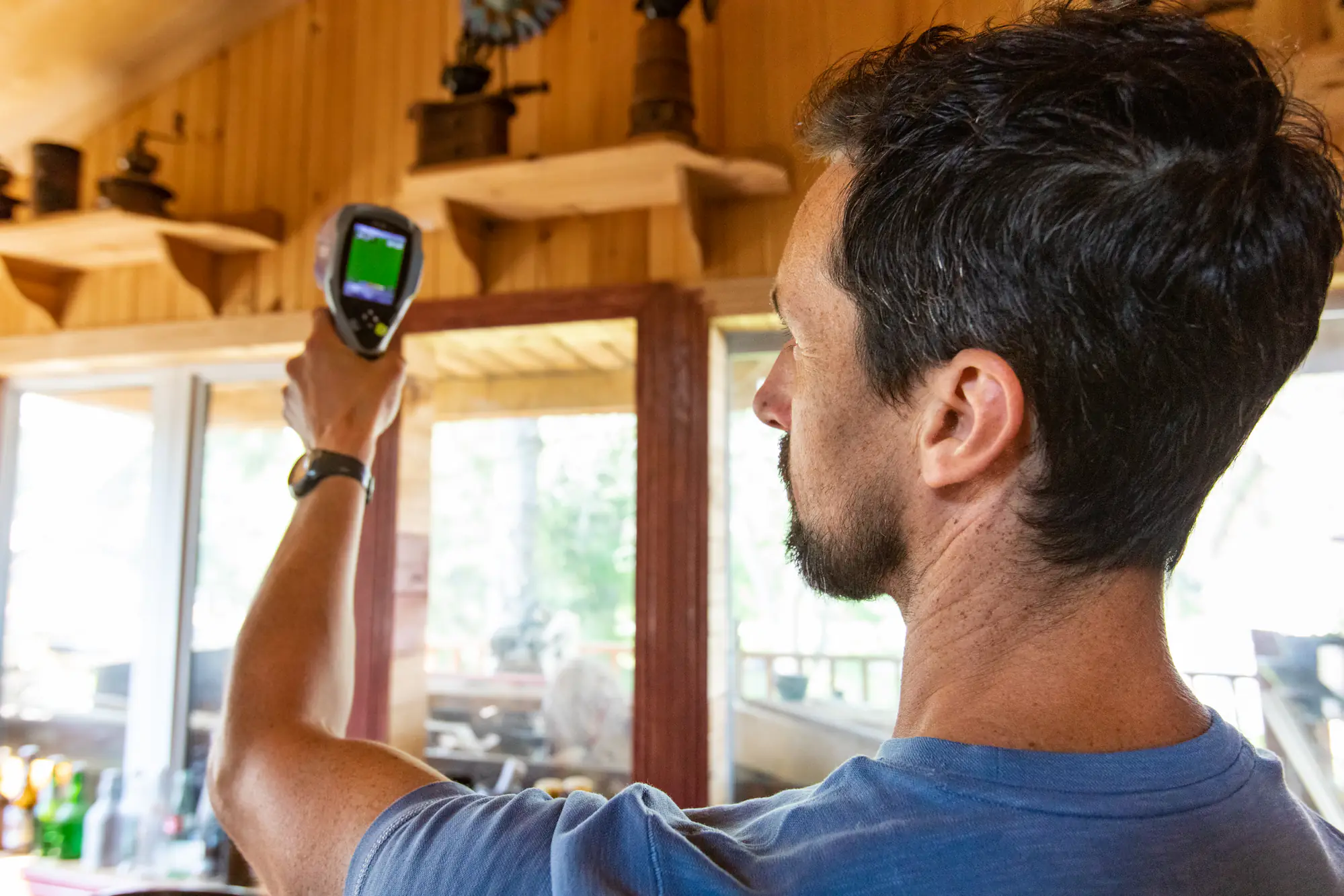
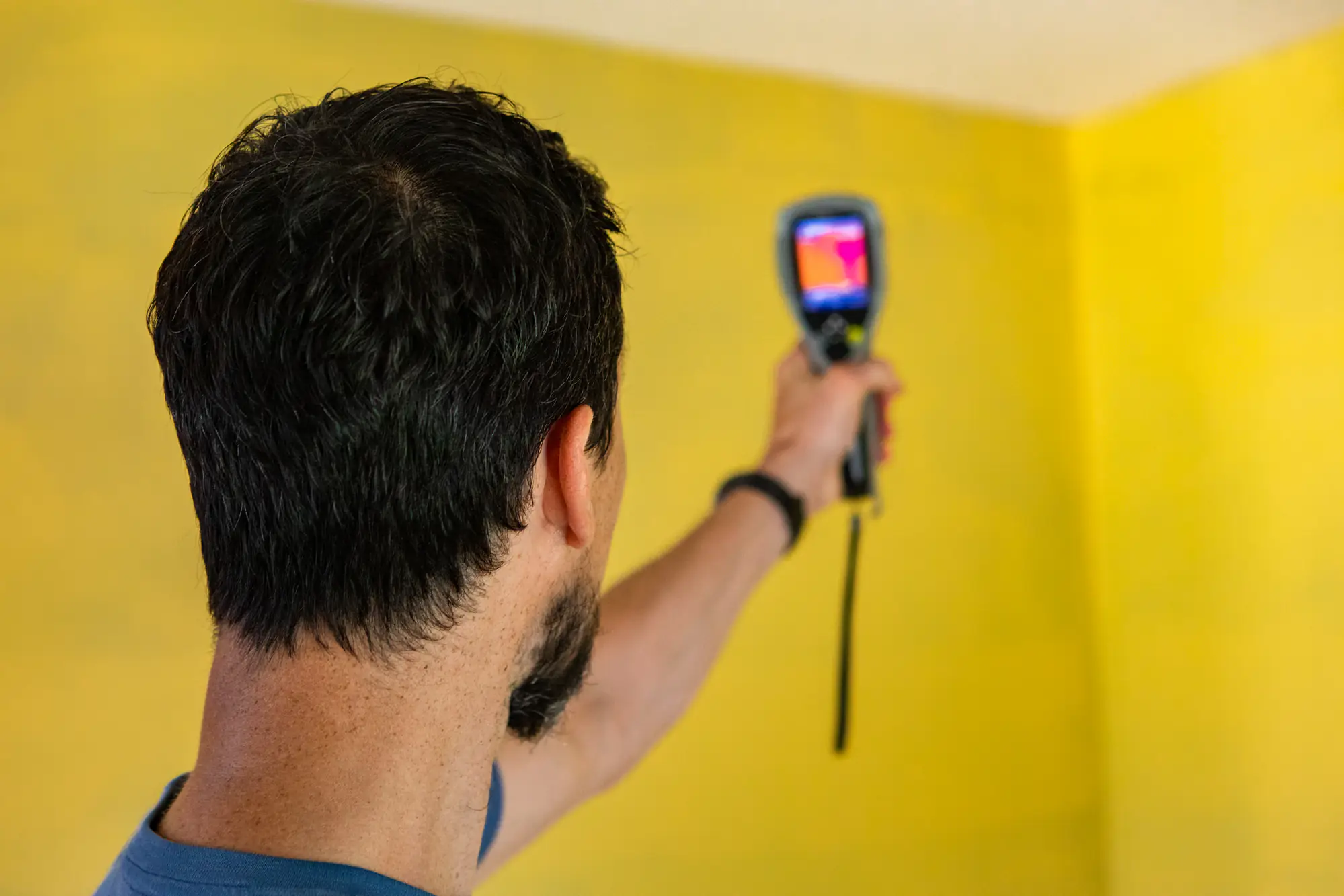
You get a full visual inspection of your property, including areas where mold typically hides—basements, crawl spaces, attics, bathrooms, and anywhere water damage has occurred. We use moisture meters to measure humidity in walls and floors, and thermal imaging to detect temperature anomalies that indicate moisture problems you can’t see.
Air sampling is done with professional-grade equipment. We collect samples from multiple areas of your home to get an accurate picture of your indoor air quality. Each sample is sent to an independent, accredited laboratory for analysis. The lab identifies the specific types of mold present and provides spore counts so you know exactly what’s in your air.
Rocky Valley homes face specific challenges. Pennsylvania’s precipitation has increased 5% to 10% in recent years, and Bucks County’s mix of older homes and newer construction both create conditions where mold thrives. Older homes often have ventilation issues and outdated moisture barriers. Newer homes are built tight for energy efficiency, which can trap humidity inside if ventilation isn’t adequate.
You’ll receive a comprehensive report with lab results, photos from the inspection, moisture readings, and our professional recommendations. If remediation is needed, the report gives you documentation for insurance claims or contractor bids. If you’re buying or selling a home, it provides the proof buyers and lenders often require before closing.
Most residential mold testing in Rocky Valley runs between $300 and $600, depending on the size of your home and how many samples you need. A typical inspection for a single-family home with air sampling in three to five areas usually falls in the $400 to $500 range.
That price includes the on-site inspection, air sample collection, laboratory analysis, and a detailed report with recommendations. If you need surface sampling or testing in hard-to-reach areas like crawl spaces, the cost may be higher.
Some companies offer cheaper testing, but they’re often using less reliable methods or skipping the lab analysis entirely. Home test kits you buy at the hardware store are even less reliable—Consumer Reports rated every DIY mold test kit as “Not Recommended” because the results are inconsistent and often inaccurate. Professional testing costs more upfront, but it gives you data you can actually trust and use to make decisions.
The on-site inspection and sample collection usually takes one to two hours, depending on the size of your property and how many areas we’re testing. Once samples are collected, they’re sent to the lab the same day or next business day.
Lab results typically come back within three to five business days. The lab needs time to culture the samples, examine them under a microscope, and identify each mold species present. Rushing this process compromises accuracy, so reputable labs don’t cut corners.
Once we receive the lab report, we’ll contact you to review the findings. We’ll walk you through what was found, explain what the spore counts mean, and answer any questions you have. If the results show a problem, we’ll discuss your next steps right then so you’re not left waiting to figure out what to do.
A mold inspection is a visual assessment where we walk through your property looking for visible mold, moisture problems, water damage, and conditions that promote mold growth. We check humidity levels, look for leaks, and identify areas where mold is likely to develop. An inspection tells you if there’s a visible problem and where it’s coming from.
Mold testing goes further. We collect air or surface samples and send them to a lab for analysis. Testing identifies the specific types of mold present, measures spore concentrations, and tells you whether those levels are normal or dangerous. Testing is especially useful when you smell mold but can’t see it, when someone in your home is experiencing unexplained health symptoms, or when you need documentation for insurance or real estate purposes.
Most people benefit from both. The inspection finds the obvious problems and moisture sources. The testing confirms what’s in your air and whether hidden mold is affecting your indoor air quality. Together, they give you a complete picture of what’s happening in your home.
You can, but you probably won’t get useful information. Home mold test kits are notoriously unreliable. Consumer Reports tested several popular brands and rated every single one as “Not Recommended” because the results were inconsistent and often misleading.
The problem with DIY kits is that they don’t account for normal background mold levels. Every home has some mold spores in the air—that’s normal. What matters is the type of mold and the concentration. DIY kits can’t tell you that. They’ll show that mold is present, but they won’t tell you if it’s a problem or just normal environmental levels.
Professional testing uses calibrated equipment and compares your indoor air to outdoor control samples. A lab microbiologist examines the samples and provides spore counts for each species identified. That’s the data you need to make informed decisions. If you’re dealing with health symptoms, planning to buy or sell a home, or need documentation for insurance, a DIY kit won’t cut it. You need professional testing with lab analysis.
The most common molds we find in Rocky Valley homes are Cladosporium, Penicillium, Aspergillus, and Alternaria. These are all fairly typical in Pennsylvania’s climate and usually show up in areas with moisture problems—bathrooms, basements, around windows, and anywhere water has leaked.
Cladosporium is an outdoor mold that gets inside through open windows and doors. It’s usually not dangerous, but high concentrations can trigger allergies. Penicillium and Aspergillus both thrive in damp indoor environments and can cause respiratory issues, especially in people with asthma or weakened immune systems.
The one everyone worries about is Stachybotrys, commonly called black mold. It’s less common than the others, but it does show up in homes with serious water damage or long-term moisture problems. Black mold produces mycotoxins that can cause severe health effects, especially with prolonged exposure. If testing confirms Stachybotrys, professional remediation is usually necessary. The good news is that professional testing will identify exactly what’s growing in your home, so you’re not guessing or panicking over something that might not even be there.
Get tested if you smell a musty odor but can’t find the source. That smell means mold is growing somewhere, even if you can’t see it. Mold often hides in walls, under flooring, or in HVAC systems where it’s spreading spores through your air without being visible.
You should also test if anyone in your home is experiencing unexplained health symptoms—persistent coughing, sneezing, headaches, fatigue, or worsening asthma. Mold exposure causes allergic reactions in many people, and children, elderly family members, and anyone with respiratory conditions are especially vulnerable.
Testing is smart after any water damage, even if the area was dried quickly. Water-damaged materials need to be dried within 24 to 48 hours to prevent mold growth, and it’s not always obvious whether that happened thoroughly enough. If you’re buying a home, testing before closing protects your investment. If you’re selling, testing can prevent deal-breaking surprises during the buyer’s inspection. And if you’re filing an insurance claim for water or mold damage, professional testing provides the documentation insurers require.
Other Services we provide in Rocky Valley